 FREE SHIPPING £75+
 CELEBRATING 50+ YEARS
 PRICE MATCH GUARANTEE
Safety Testers
Safety Testers (often referred to as Electrical Safety Analysers or Hipot Testers) are essential instruments used to verify that electrical products meet international safety standards. They perform a battery of tests to ensure that a device will not shock the user, catch fire, or fail under electrical stress.
Why Choose a Safety Tester?
Core Applications
Showing 1–16 of 25 results
-
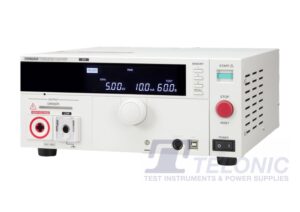
Kikusui TOS5200 AC Flash Tester / HiPot Tester 0-5000V 0-100mA (200mA S/C)
£1,203.00 (£1,443.60 inc. VAT)Available on back-order
Availability: Stock models delivered next working day (UK only) for orders placed before 16:30 (Mon - Fri)
Add to basket -
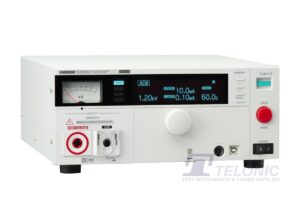
Kikusui TOS5301 AC/DC Flash Tester / Hipot Tester 0-5kV(AC) 0-6kV(DC) AC 0-100mA (200mA S/C)/ DC 0-10mA
£2,099.00 (£2,518.80 inc. VAT)5 in stock (can be backordered)
Availability: Stock models delivered next working day (UK only) for orders placed before 16:30 (Mon - Fri)
Add to basket -
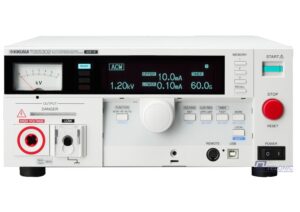
Kikusui TOS5302 AC Flash Tester / HiPot plus Insulation Resistance Tester 0-5kV(AC) 25-1000V(IR) AC 0-100mA (200mA S/C)
£2,099.00 (£2,518.80 inc. VAT)2 in stock (can be backordered)
Availability: Stock models delivered next working day (UK only) for orders placed before 16:30 (Mon - Fri)
Add to basket -
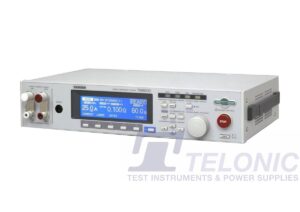
Kikusui TOS6200A Earth Bond Tester 0-6VAC 3-30A
£1,818.00 (£2,181.60 inc. VAT)2 in stock (can be backordered)
Availability: Stock models delivered next working day (UK only) for orders placed before 16:30 (Mon - Fri)
Add to basket -
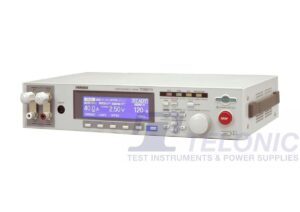
Kikusui TOS6210 Ground Bond Tester 0-6VAC 6-60A
£2,628.00 (£3,153.60 inc. VAT)3 in stock (can be backordered)
Availability: Stock models delivered next working day (UK only) for orders placed before 16:30 (Mon - Fri)
Add to basket -
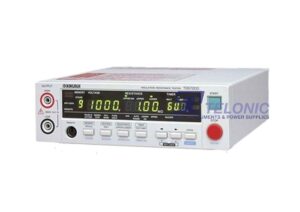
Kikusui TOS7200 Electrical Safety Testers 25 to 1000V max 1milli A
.Out of stock
Availability: Stock models delivered next working day (UK only) for orders placed before 16:30 (Mon - Fri)
Read more -
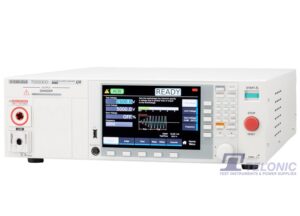
Kikusui TOS9300 AC HiPot Tester with Insulation Resistance Test
£3,492.00 (£4,190.40 inc. VAT)Available on back-order
Availability: Stock models delivered next working day (UK only) for orders placed before 16:30 (Mon - Fri)
Add to basket -
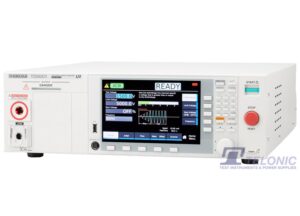
Kikusui TOS9301 AC/DC HiPot Tester with Insulation Resistance Test
£4,192.00 (£5,030.40 inc. VAT)2 in stock (can be backordered)
Availability: Stock models delivered next working day (UK only) for orders placed before 16:30 (Mon - Fri)
Add to basket -
Kikusui TOS9301PD AC/DC HiPot Tester with Insulation Resistance and Partial Discharge Test
£8,645.00 (£10,374.00 inc. VAT)Available on back-order
Availability: Stock models delivered next working day (UK only) for orders placed before 16:30 (Mon - Fri)
Add to basket -
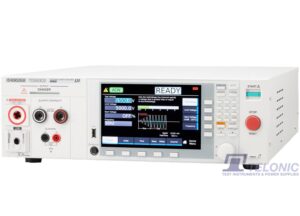
Kikusui TOS9302 AC HiPot Tester with Ground Bond Test
£4,586.00 (£5,503.20 inc. VAT)Available on back-order
Availability: Stock models delivered next working day (UK only) for orders placed before 16:30 (Mon - Fri)
Add to basket -
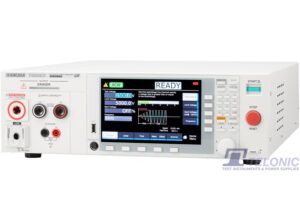
Kikusui TOS9303 AC/DC HiPot Tester with Insulation Resistance and Ground Bond Test
£5,289.00 (£6,346.80 inc. VAT)2 in stock (can be backordered)
Availability: Stock models delivered next working day (UK only) for orders placed before 16:30 (Mon - Fri)
Add to basket -
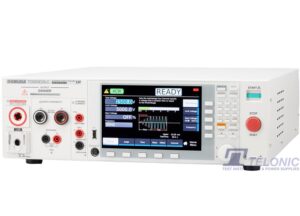
Kikusui TOS9303LC AC/DC Hipot Tester with Insulation Resistance, Ground Bond and Leakage Current Test
£7,254.00 (£8,704.80 inc. VAT)Available on back-order
Availability: Stock models delivered next working day (UK only) for orders placed before 16:30 (Mon - Fri)
Add to basket -
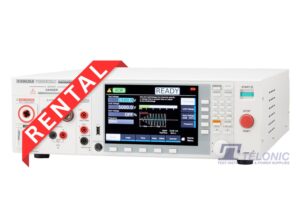
Kikusui TOS9303LC AC/DC Hipot Tester with Insulation Resistance, Ground Bond and Leakage Current Test Rental
£348.00 (£417.60 inc. VAT)1 in stock (can be backordered)
Availability: Stock models delivered next working day (UK only) for orders placed before 16:30 (Mon - Fri)
Add to basket -
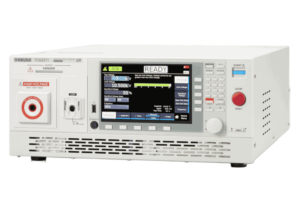
Kikusui TOS9311 10kV AC/DC HiPot Tester / Insulation Resistance Tester
£7,092.00 (£8,510.40 inc. VAT)2 in stock (can be backordered)
Availability: Stock models delivered next working day (UK only) for orders placed before 16:30 (Mon - Fri)
Add to basket -
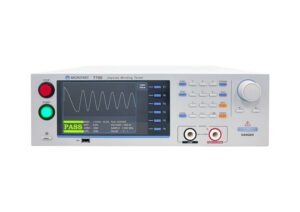
Microtest Impulse Winding Tester 7750-10S 200V~10000V
.Available on back-order
Availability: Stock models delivered next working day (UK only) for orders placed before 16:30 (Mon - Fri)
Read more -
Microtest Impulse Winding Tester 7750-1S 10V~1200V
.Available on back-order
Availability: Stock models delivered next working day (UK only) for orders placed before 16:30 (Mon - Fri)
Read more