FREE SHIPPING £75+
 CELEBRATING 50+ YEARS
 PRICE MATCH GUARANTEE

Description
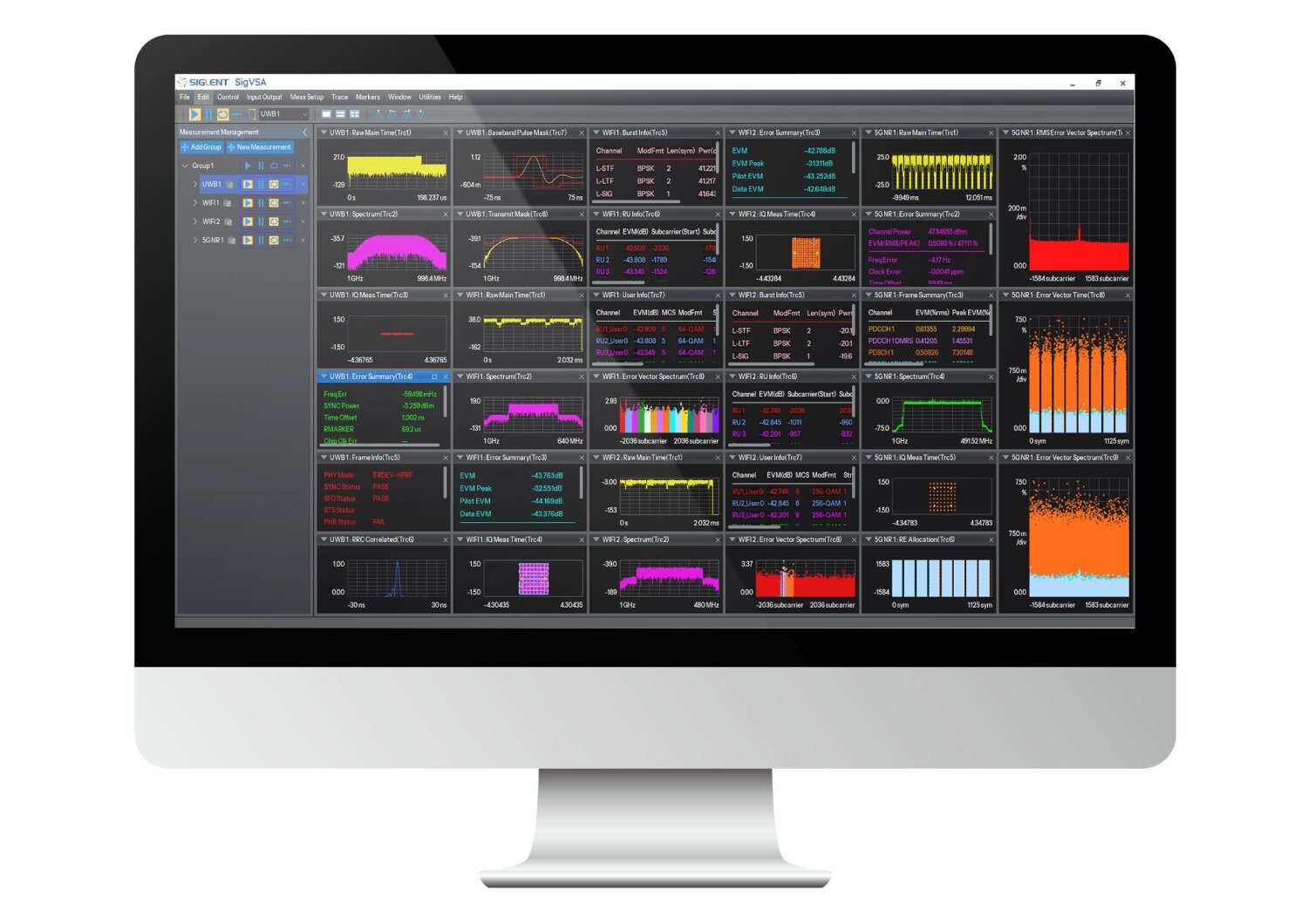
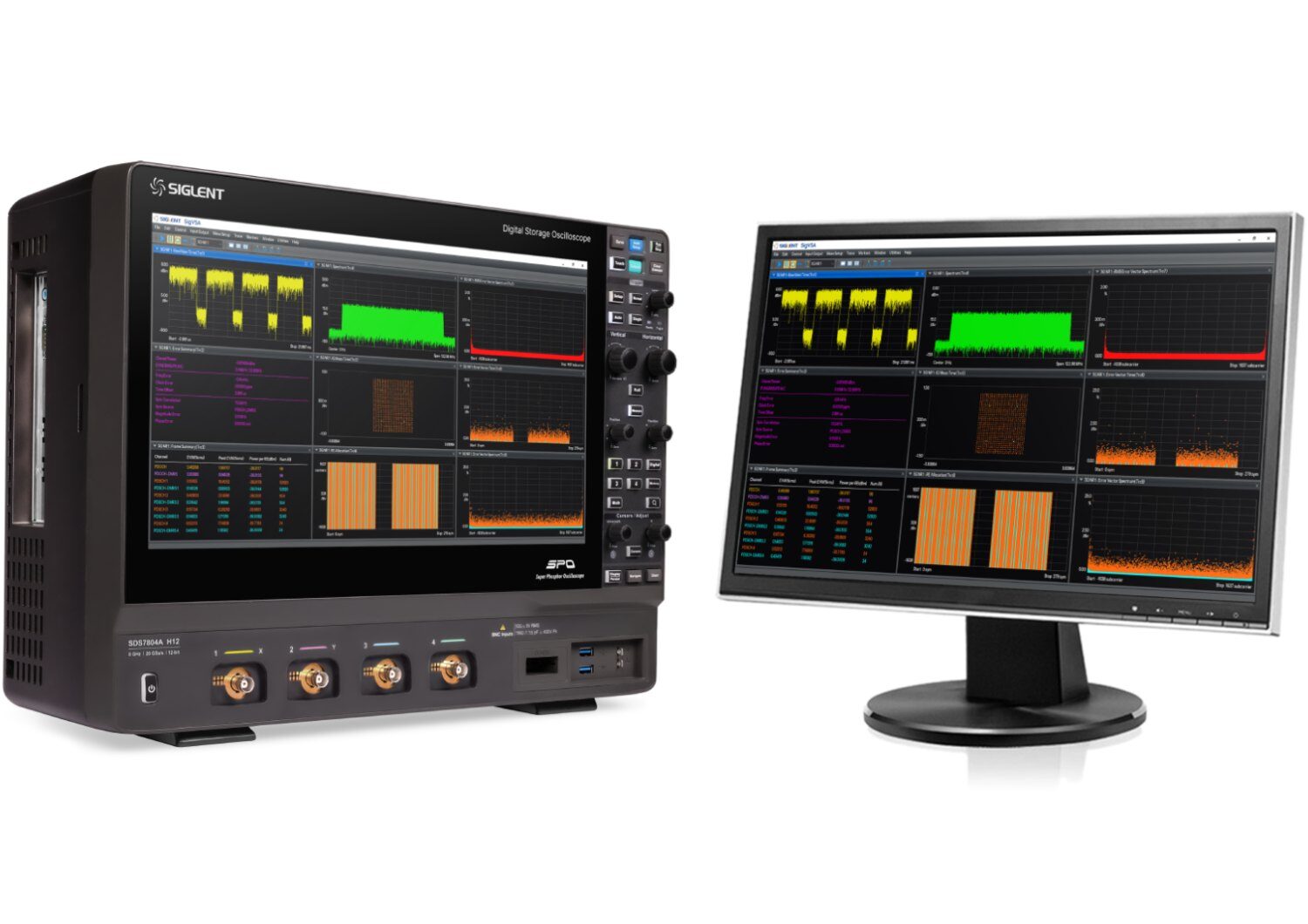
Siglent SigVSA Vector Signal Analysis Software
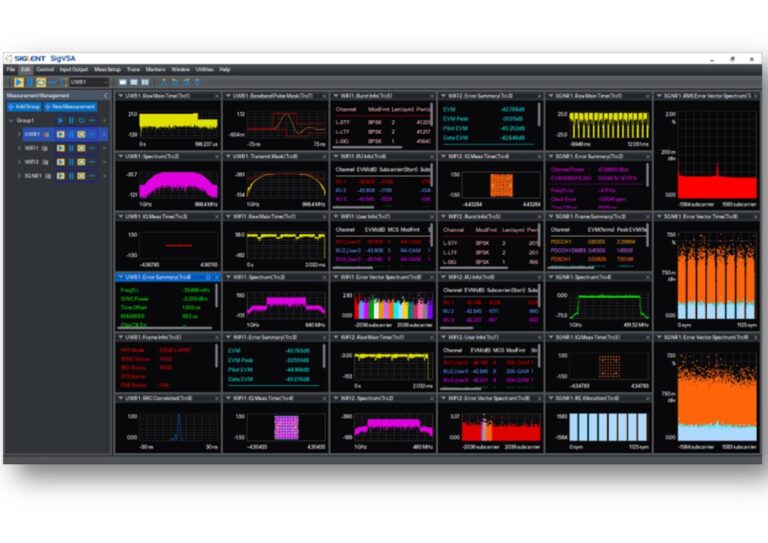
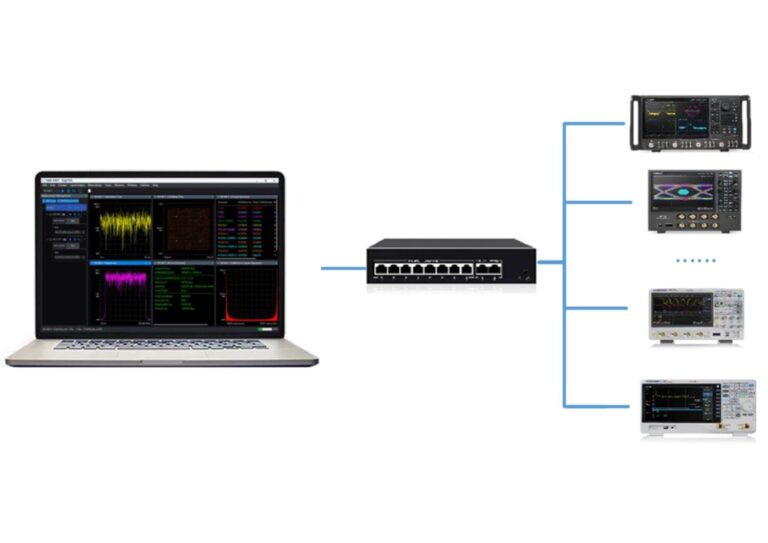
SigVSA is a professional vector signal analysis software application that runs on Windows operating systems. You can also contact us to customise a Linux environment version. With SigVSA, users can repeatedly analyse signals under test and quickly troubleshoot issues, covering everything from simple BPSK to complex wideband signals such as 4G LTE, 5G NR, IEEE 802.11b/a/g/n/ac/ax/be, Bluetooth, HRP-UWBand, and various common modulation signals, such as 1024QAM,4096QAM, 16/32APSK, etc. SigVSA offers rich measurement capabilities, a user-friendly operation experience, and an interactive interface similar to that of a vector signal analyser, ensuring both efficiency and ease of use. It provides comprehensive local analysis functionality, supporting offline analysis of raw waveform files from vector signal analysers. SigVSA enables remote vector signal analysis and debugging on a computer, allowing simultaneous control of multiple instruments for parallel operation. It also facilitates centralised processing of recorded data or simulation files, saving time by reducing the need for lab visits.
- General modulation supports a maximum bandwidth of 8GHz+ and up to 4096QAM signal analysis.
- NR protocol r17 (covering 5G-A and NTN), LTE protocol r14.
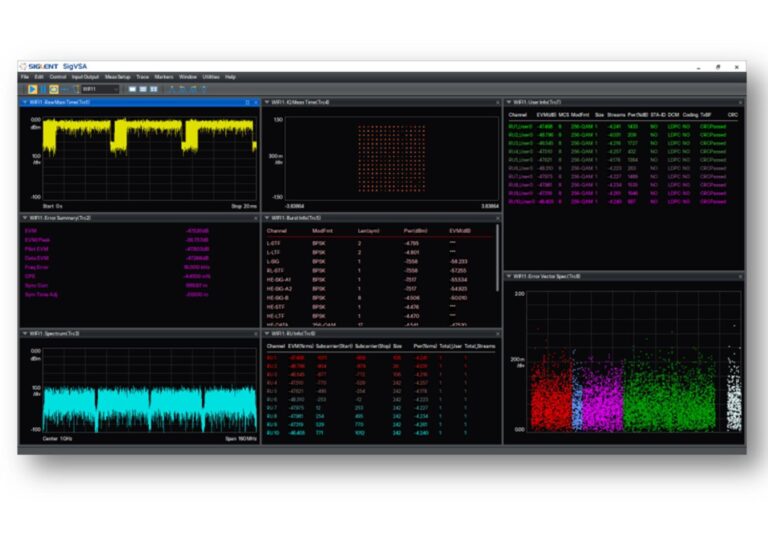
- WIFI 1~7 signal analysis (supports a maximum bandwidth of 320MHz and up to 4096QAM modulation analysis).
- Supports multiple function analyses for specified measurements and multi-window display.
- Supports parallel operation of up to 32 measurements and remote connection to some of Siglent instruments for demodulation analysis.
- Supports offline analysis of data formats such as .arb, .txt, .csv, and .mat, with configurable signal sampling rate.
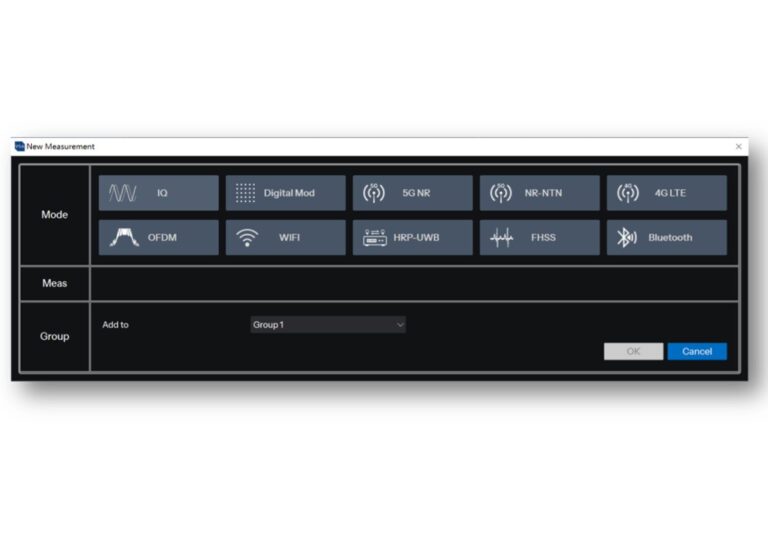
- ✓ Digital Modulation, Custom OFDM
- ✓ 5G NR FR1, FR2-1, FR2-2, NR-NTN
- ✓ LTE FDD/TDD
- ✓ Wi-Fi 1~7 (IEEE 802.11a/b/g/n/ac/ax/be)
- ✓ HRP-UWB, Bluetooth
- ✓ FHSS
- ✓ GSM/EDGE, WCDMA/HSPA, NB-IoT, FMCW, Pulse, DVB-S2/S2X (in development)
Product Images
Remote Management
Multi-window Display
Greater productivity and convenience
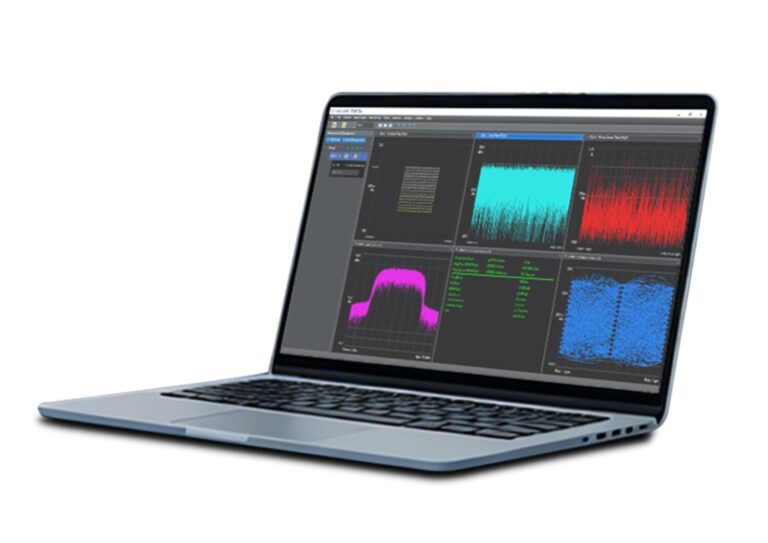
Add analysis capabilities

Sync data from multiple analysers
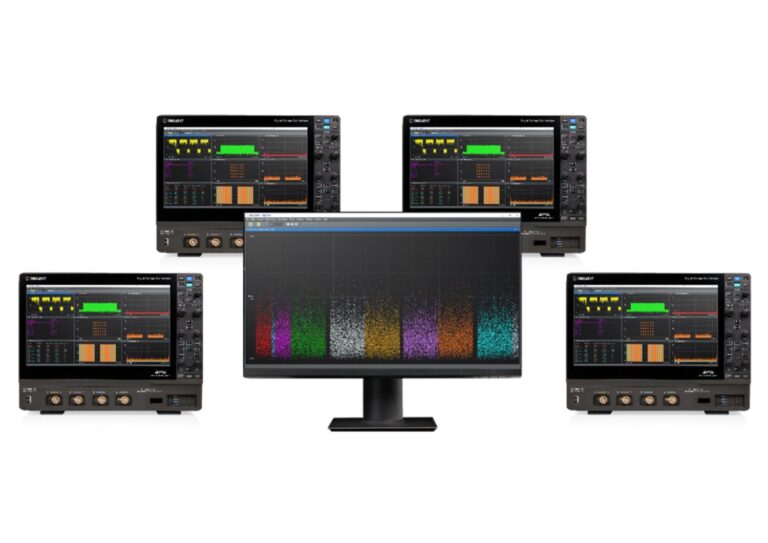
Analyse collaboratively
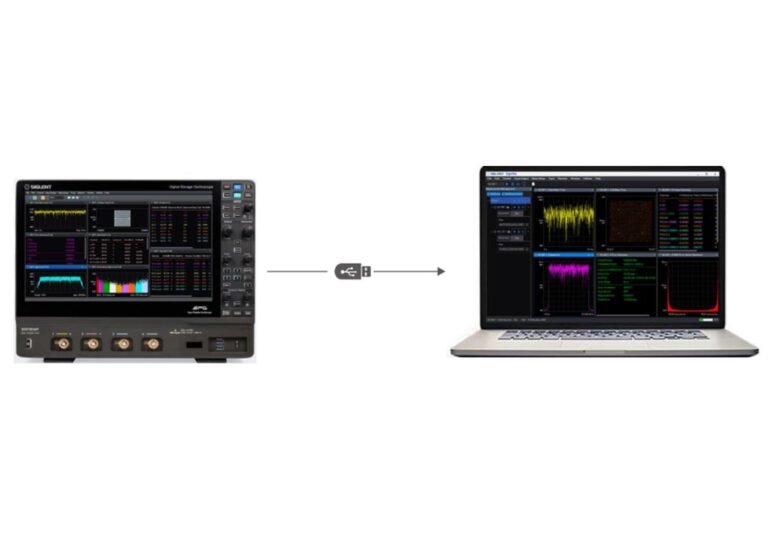
Offline Waveform Data Analysis
 SigVSA Datasheet